01243 578544
Horse Riding in the Wind & Rain
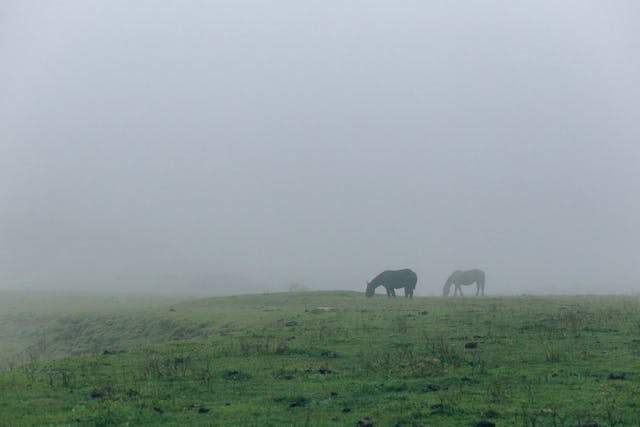
How weather affects horse riding safety
Weather impacts horses differently than it affects us. While you might just feel a bit damp or chilly, your horse is processing wind, rain, and sudden changes in a way that can trigger genuine fear responses. Wind carries unfamiliar scents and sounds, making even familiar routes feel threatening. Rain reduces visibility and creates slippery footing. Cold weather tightens muscles and makes injuries more likely. Knowing how these conditions affect your horse is the first step towards riding safely through them.
Wind
Wind is often the trickiest weather condition to manage. It's unpredictable, constantly changing, and horses can't see what's causing all that noise and movement around them. Even the calmest horse might become tense when plastic bags start flying past or tree branches creak and groan overhead.
When wind becomes dangerous
Light breezes rarely cause issues, but once wind speeds push past 20mph, horse riding safety becomes a real concern. Strong gusts can blow debris into your path, cause branches to fall, or startle your horse into bolting. If you hear weather warnings about gale-force winds or see trees bending significantly, it's best to stay off the roads and stick to safer environments like arenas or cancel the ride altogether.
Riding strategies for windy days
If you do ride in moderate wind, choose familiar routes where your horse feels confident. Avoid areas with lots of loose items that might blow around, and give wide berths to things like tarpaulins, flags, or anything that flaps. Keep your horse moving forward steadily rather than letting them stop and stare at every rustling hedge. Your calm, confident riding will help reassure them that there's nothing to fear.
Rain
British riders are no strangers to rain, but riding in wet conditions requires extra thought and preparation. Rain affects everything from your grip on the reins to your horse's ability to see and move safely.
Light rain vs heavy downpours
Safe riding in wet conditions
Your horse will need extra care after riding in rain. Make sure they're thoroughly dried, particularly under tack areas where moisture can cause rubs and sores. Check their legs and hooves carefully, as wet conditions can soften the hoof wall and increase the risk of problems. A good grooming session with attention to drying the coat will help prevent chills, especially if your horse tends to feel the cold. Consider providing additional support through your horse's diet with health and wellbeing supplements that support immune function during challenging weather.
Cold weather and your horse's comfort
Cold, wet weather is particularly draining for horses. While they have excellent natural insulation, a soaked coat loses much of its warming ability. Horses working hard in cold conditions use more energy to maintain their body temperature, which means they may need adjustments to their diet.
Fuelling for cold weather
Horses working in cold, wet weather benefit from increased calorie intake to help maintain body condition and energy levels. Consider adjusting their feed to include more conditioning feeds that provide slow-release energy without hotting them up. Adequate forage is essential, as the fermentation process in the hindgut generates heat and helps keep horses warm from the inside.
For horses in regular work during winter, performance and competition supplements can help maintain muscle condition and support recovery when weather conditions make training more demanding. Good nutrition becomes even more critical when environmental stressors are high.
Essential weather gear for horse and rider
Proper equipment makes all the difference when weather turns nasty. For riders, layered waterproof clothing that doesn't restrict movement is essential. Waterproof gloves maintain grip on reins even in heavy rain. Well-fitting boots with good tread prevent slipping when mounting or dismounting on wet surfaces.
Your horse needs appropriate protection too. A well-fitted exercise sheet or quarter sheet can protect their back and quarters during work in cold rain. High-visibility gear isn't just for the rider; leg bands and tail guards help ensure your horse is seen by traffic in poor visibility.
For stable and yard management, having proper drainage and adequate bedding becomes crucial during wet spells. Horses need dry areas to rest and recover after working in challenging weather.
Reading the weather and your horse
Good horse riding safety means knowing when to adjust your plans. Check detailed weather forecasts before riding out, paying attention to wind speed, rainfall intensity, and any weather warnings. But also learn to read your horse's signals. If they're unusually tense, spooky, or reluctant to go forward, they might be picking up on weather changes you haven't yet noticed.
Some horses cope brilliantly with wind and rain; others find it genuinely frightening. There's no shame in deciding conditions aren't safe for a particular horse on a particular day. Pushing through when your horse is genuinely worried often does more harm than good, creating negative associations that last long after the weather improves.
When to stay home
Certain conditions should always prompt you to reconsider riding. Ice or frost on roads creates lethal conditions for horses. Thunderstorms bring the risk of lightning strikes. Fog reduces visibility to dangerous levels. Gale-force winds can bring down trees and power lines. Very heavy, persistent rain can cause flooding on familiar routes, creating hidden hazards.
If you're questioning whether it's safe to ride, that's usually your answer. Use the time instead for groundwork, stable management, or giving your horse's tack and equipment some needed attention. There's always another day to ride.
Post-horse ride care
Once you're back from a wet or windy ride, your horse needs proper care to recover well. Remove wet tack promptly and dry the areas underneath thoroughly. Walk your horse until they're breathing normally and dry them as much as possible before rugging if needed. Check legs carefully for any cuts, heat, or swelling that might have occurred during the ride.
Offer your horse a drink and their normal feed, possibly with a warm mash if they seem particularly cold or tired. Monitor them over the following hours to ensure they're eating, drinking, and behaving normally. Some horses will be quite tired after working hard in challenging conditions and may need a lighter day following a tough weather ride.
Building confidence in all weathers
The best approach to weather challenges is gradual exposure. Don't wait for the worst storm of the year to discover how your horse reacts to wind and rain. Take opportunities during mild weather challenges to build your horse's confidence and your own skills in managing different conditions. Short sessions in light rain or moderate wind help both of you learn what works and build trust for handling trickier situations.
Proper nutrition supports your horse's ability to cope with environmental stressors. A well-balanced diet that includes appropriate vitamins and minerals helps maintain strong immune function, healthy hooves, and good coat condition, all of which contribute to resilience in challenging weather.
Summary
Riding safely in wind and rain is about preparation, awareness, and knowing your limits. Check the weather forecast and adjust your plans accordingly. Ensure both you and your horse have appropriate protective gear. Choose safer routes when conditions are challenging, slow your pace on slippery surfaces, and make visibility a priority. Most importantly, listen to what your horse is telling you and don't be afraid to postpone a ride when conditions genuinely aren't safe.
British weather will always be unpredictable, but with sensible precautions and proper preparation, you can keep riding safely through most of what nature sends your way. Browse our complete range of horse supplements and horse feed to support your horse's health and performance whatever the weather brings.
Posted on: 14/01/2026