01243 578544
Horse Weight Management in the Off-Season
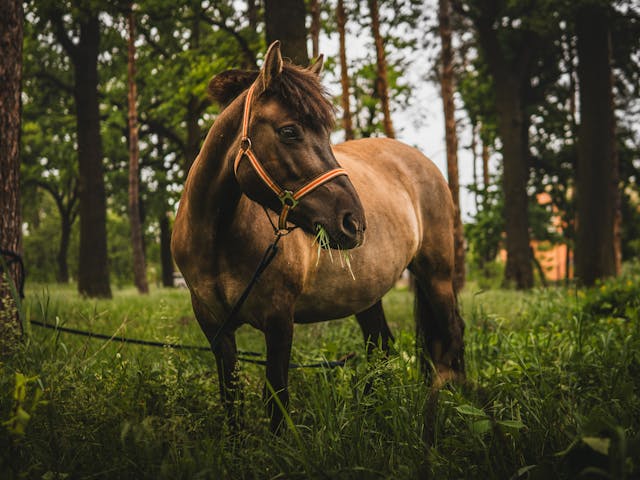
Understanding off-season weight changes
Horses naturally fluctuate in weight depending on workload, season, and diet. During off-season, reduced exercise means lower energy requirements. If feed isn't adjusted accordingly, weight gain becomes inevitable. Conversely, some horses lose condition during winter due to cold weather increasing calorie needs for body temperature.
Different horses respond differently to reduced work. Good doers pile on weight quickly, while poor doers might struggle to maintain condition. Understanding your individual horse's metabolism helps you plan appropriate management strategies for the off-season.
Assessing body condition
Regular body condition scoring provides an objective way to monitor your horse's weight. The scale runs from 0 (emaciated) to 5 (obese), with 3 being ideal. Feel along the ribs, neck, shoulders, and hindquarters to assess fat cover. You should be able to feel ribs easily but not see them prominently.
Take photos from the same angles at regular intervals. Visual records help you spot gradual changes that might otherwise go unnoticed. Combine regular condition scoring with photos and knowing your horse's normal appearance.
Adjusting feed for reduced work
The biggest mistake during off-season is continuing to feed as if your horse is still in full work. Energy requirements drop significantly when exercise reduces. Horse feed designed for performance needs reassessing. Switching to leisure or maintenance feeds often makes sense during rest periods.
For easy keepers prone to weight gain, feed reduction might be necessary. However, don't simply cut everything drastically. Feed balancers provide essential vitamins and minerals in small quantities, allowing you to reduce overall feed while maintaining nutritional balance.
Quality forage should always form the foundation of any horse's diet. Some horses can manage on good hay or haylage alone, supplemented with a balancer. Others, particularly poor doers or those living out in cold weather, might need additional conditioning feed.
Managing weight gain in good doers
Good doers present specific challenges during off-season. Even small amounts of feed can lead to excessive weight gain when combined with reduced exercise. Soaking hay reduces sugar content while maintaining bulk.
Consider strip grazing or using a grazing muzzle if your horse lives out with access to rich pasture. Track systems or sacrifice paddocks with limited grazing provide turnout without the calorie overload of lush pasture.
Weight gain isn't just cosmetic. Excess weight increases risk of laminitis, metabolic issues, and joint problems. Preventing gain is far easier than managing weight loss later.
Supporting poor doers
Poor doers face opposite challenges. Cold weather, reduced feeding frequency, and environmental stress can contribute to weight loss. Conditioning feeds high in digestible fibre and quality oils help maintain weight without hotting up horses that aren't in work.
Ensure poor doers have adequate shelter from wind and rain. Good quality rugs help reduce energy spent on thermoregulation. Monitor hay consumption carefully, as some horses don't eat enough long fibre.
Exercise and supplements
Vitamins and minerals remain essential during off-season, particularly if forage quality is variable. Joint supplements support joint health during rest periods. Some horses benefit from digestive support supplements during dietary transitions, while older horses might need health and wellbeing supplements.
Seasonal considerations
Winter increases calorie requirements for maintaining body temperature. Horses living out need either extra feed or excellent body condition going into winter. Monitor condition closely, as gradual weight loss can be difficult to notice under rugs.
Spring brings opposite concerns. Lush grass can cause rapid weight gain in good doers. Plan turnout management before grass starts growing rapidly, whether that's restricted turnout, grazing muzzles, or track systems.
Common mistakes to avoid
Overfeeding is the most common error during off-season. Many owners continue feeding as if their horse is still in full work. Be honest about your horse's actual energy requirements given their current activity level.
Dramatic feed changes can cause digestive upset. Make gradual transitions, one change at a time, and monitor results before making further modifications. Weekly condition checks take minutes but provide valuable information.
Preparing for return to work
As off-season ends, consider your horse's condition and how it affects returning to exercise. Horses carrying excess weight need gradual fitness work to avoid strain on joints. Similarly, horses that have lost condition need careful reintroduction to work.
Performance feeds might be appropriate as work increases, but introduce them gradually alongside increasing exercise. Plan the transition over several weeks, adjusting feeding to match increasing energy needs.
Summary
Successful horse weight management during the off-season requires regular monitoring, appropriate feed adjustments, and maintaining some level of activity. Assess body condition weekly, adjust horse feed to match reduced energy needs, and don't neglect quality forage as the foundation of the diet. Good doers need careful management to prevent weight gain, while poor doers require extra support to maintain condition. Feed balancers provide essential nutrition without excess calories, and conditioning feeds support horses needing to maintain or gain weight.
Appropriate horse supplements ensure nutritional needs are met even when hard feed is minimal, while maintaining light exercise supports both weight management and overall wellbeing. Preventing weight problems during off-season is far easier than correcting them later.
Browse our complete range of horse feed, feed balancers, and horse supplements to support your horse's weight management throughout the off-season.
Posted on: 05/02/2026