01243 578544

How to Choose the Right Rug for Your Horse This Winter
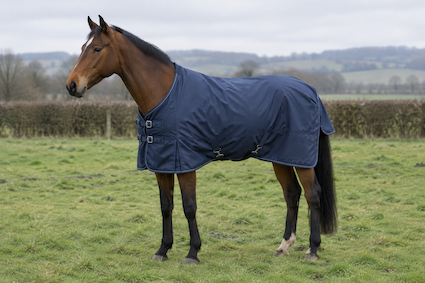
Choosing a winter rug can feel more complicated than it should. There are different weights, neck styles and materials to consider, while the weather can change between the morning feed and afternoon turnout.
The best starting point is your horse, rather than the forecast alone. Their coat, condition, age, health and daily routine all affect whether they need a rug and how much protection is appropriate. A heavyweight rug is not automatically the safest choice when temperatures fall.
Consider how your horse lives as well. An exposed field presents different conditions from a sheltered paddock, even when the temperature is the same. Wind and persistent rain matter alongside the number on the thermometer.
If your horse is elderly, underweight or managing a health condition, speak to your vet about their winter care. Make rugging decisions around their individual needs rather than following what other owners on the yard are doing.
Think about your routine before buying. If your horse spends the day outside and comes in overnight, you may need different options for each setting. Check the product description rather than relying on appearance: two rugs can look similar but be designed for different uses.
For turnout, pay attention to fit and weather protection before choosing extras. A rug that stays in position and keeps rain out is more useful than one with features your horse does not need.
Temperature charts can provide a starting point, but they cannot account for every horse. Avoid treating them as fixed instructions. Your horse’s coat, condition, shelter and response to the rug should guide any adjustments.
Review your horse’s rugs after clipping rather than continuing with the previous routine automatically. Consider how much coat has been removed and where protection remains.
An unclipped horse in good condition may become too warm in a rug that suits a fully clipped horse. Equally, an older clipped horse may need closer attention during cold, wet weather. There is no single combination that works for every horse.
When trying it on, check the shoulders, chest, withers and hindquarters. The rug should sit evenly without pulling tight, slipping back or restricting movement. Follow the manufacturer’s guidance when adjusting chest fastenings, belly straps and leg straps.
Watch your horse walk and lower their head. A rug that looks fine while they stand still may pull when they move. Remove it daily to check for rubbing, soreness or pressure, particularly around the shoulders and withers.
It may provide useful extra coverage in some circumstances, but it can also add warmth your horse does not need. Check for rubbing along the mane and around the shoulders, especially if the cover shifts or pulls.
A detachable neck offers flexibility, although its fit still needs checking whenever it is used.
Remove the rug daily to inspect the skin, assess condition and check the lining and fastenings. Be prepared to change your choice as the weather changes. If you cannot adjust rugs during the day, choose the lightest suitable option rather than adding extra warmth just in case.
The best starting point is your horse, rather than the forecast alone. Their coat, condition, age, health and daily routine all affect whether they need a rug and how much protection is appropriate. A heavyweight rug is not automatically the safest choice when temperatures fall.
1. Decide Whether Your Horse Needs a Rug
Not every horse needs rugging throughout winter. A healthy, unclipped horse with a thick coat, suitable shelter and access to forage may manage comfortably without one. A clipped horse, or one struggling to maintain condition, may need more protection.Consider how your horse lives as well. An exposed field presents different conditions from a sheltered paddock, even when the temperature is the same. Wind and persistent rain matter alongside the number on the thermometer.
If your horse is elderly, underweight or managing a health condition, speak to your vet about their winter care. Make rugging decisions around their individual needs rather than following what other owners on the yard are doing.
2. Choose a Rug for the Job
A turnout rug needs a waterproof, breathable outer layer to protect your horse outdoors. A stable rug provides warmth in a sheltered environment but should not be assumed to offer protection from rain.Think about your routine before buying. If your horse spends the day outside and comes in overnight, you may need different options for each setting. Check the product description rather than relying on appearance: two rugs can look similar but be designed for different uses.
For turnout, pay attention to fit and weather protection before choosing extras. A rug that stays in position and keeps rain out is more useful than one with features your horse does not need.
3. Understand Rug Weights
Rug fill is usually described in grams. This refers to the insulating filling, not the total weight of the rug. Broadly, you will find:- No-fill rugs, often labelled 0g, for weather protection without added insulating fill
- Lightweight rugs with a small amount of filling
- Mediumweight rugs offering more insulation
- Heavyweight rugs with a higher level of filling
Temperature charts can provide a starting point, but they cannot account for every horse. Avoid treating them as fixed instructions. Your horse’s coat, condition, shelter and response to the rug should guide any adjustments.
4. Take Clipping into Account
A horse with a full clip has lost more natural insulation than one with a small bib clip. They are unlikely to need the same rugging arrangement, even if they share a field.Review your horse’s rugs after clipping rather than continuing with the previous routine automatically. Consider how much coat has been removed and where protection remains.
An unclipped horse in good condition may become too warm in a rug that suits a fully clipped horse. Equally, an older clipped horse may need closer attention during cold, wet weather. There is no single combination that works for every horse.
5. Check the Fit Carefully
Measure your horse according to the manufacturer’s sizing guide before ordering. Rug cuts vary, so the size that fits in one brand may not sit as well in another.When trying it on, check the shoulders, chest, withers and hindquarters. The rug should sit evenly without pulling tight, slipping back or restricting movement. Follow the manufacturer’s guidance when adjusting chest fastenings, belly straps and leg straps.
Watch your horse walk and lower their head. A rug that looks fine while they stand still may pull when they move. Remove it daily to check for rubbing, soreness or pressure, particularly around the shoulders and withers.
6. Consider Whether a Neck Cover Is Necessary
A neck cover is another choice to make around your horse’s needs, not an essential addition to every winter rug.It may provide useful extra coverage in some circumstances, but it can also add warmth your horse does not need. Check for rubbing along the mane and around the shoulders, especially if the cover shifts or pulls.
A detachable neck offers flexibility, although its fit still needs checking whenever it is used.
7. Check Your Horse, Not Just the Forecast
Make a habit of checking beneath the rug. Your horse should feel comfortable, without excessive heat or sweating. Dampness underneath needs investigating: the rug may be leaking, or your horse may be too warm.Remove the rug daily to inspect the skin, assess condition and check the lining and fastenings. Be prepared to change your choice as the weather changes. If you cannot adjust rugs during the day, choose the lightest suitable option rather than adding extra warmth just in case.
Posted on: 20/10/2026