01243 578544
Summer Horse Care: Essential Tips to Keep Your Horse Happy and Healthy
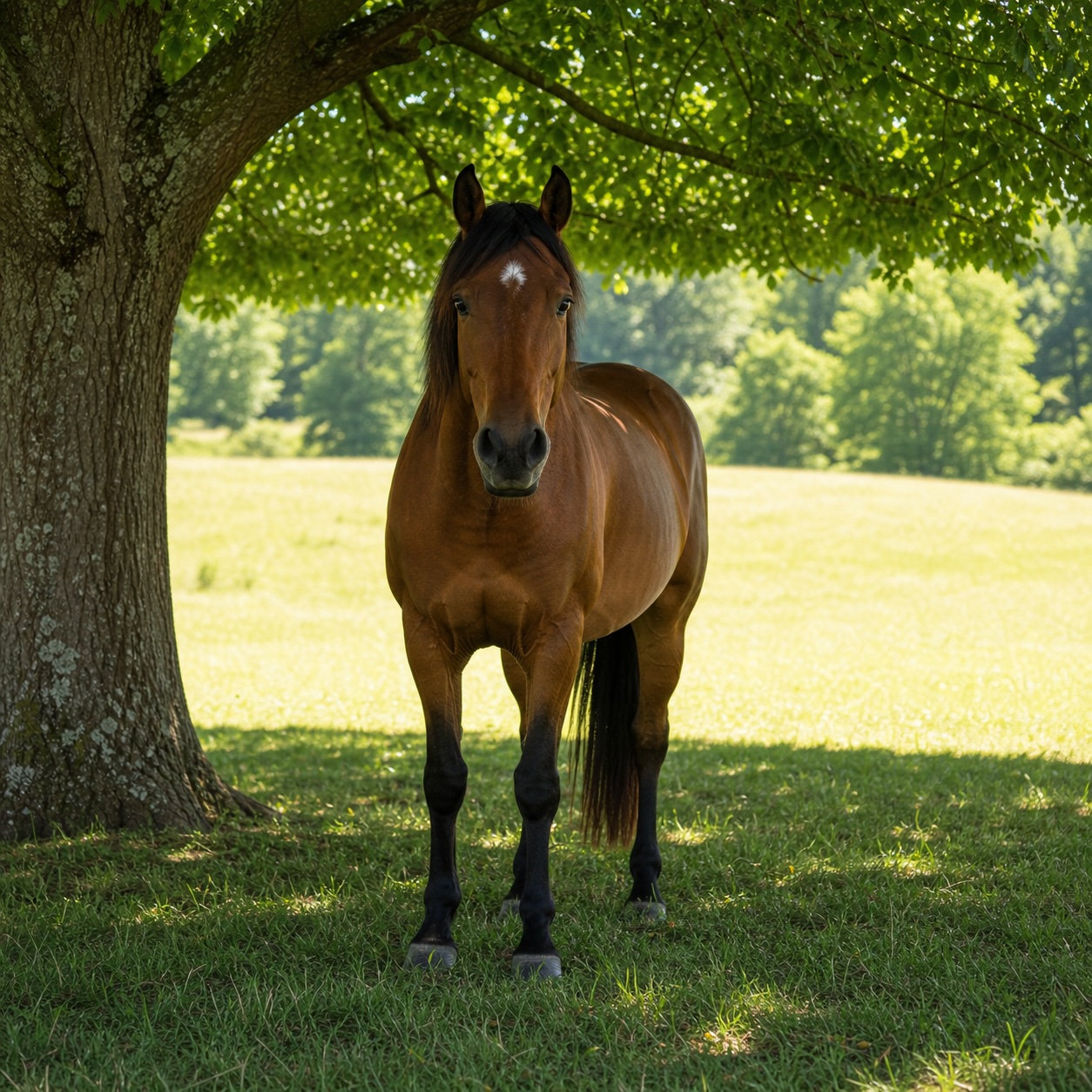
There's a lot to love about summer with a horse. The early starts, the dry ground, the long evenings that give you time for a proper hack after work. But the heat brings its own demands, and horses don't always cope with warm weather as well as we'd hope. A bit of forward planning makes a real difference, so here's a practical rundown of what to keep on top of once the temperatures start climbing.
Keeping Your Horse Hydrated in the Heat
This one matters more than anything else on the list. Horses can more than double their water intake during hot weather, with some needing over 55 litres a day to stay properly hydrated. It's a lot, and a trough that looked full in the morning can be running low by afternoon without you realising.
Get into the habit of checking water twice a day and scrubbing troughs out regularly. Algae builds up fast in warm weather and horses will often refuse to drink from a slimy trough, which is the last thing you want. Extra buckets in the field are worth the effort too, particularly if you have more than one horse sharing a water source.
If you're not sure whether your horse is drinking enough, try the skin pinch test. Gently pinch the skin on their neck and let go. It should spring back immediately. If it's slow to return, that's a sign they need more fluids and it's worth calling your vet.
Shade and Shelter: Protecting Against Overheating
It sounds obvious, but shade is genuinely non-negotiable during summer. Trees, a field shelter, or both. Your horse needs somewhere to get out of direct sun, especially during the middle of the day when temperatures peak.
Walk your field at different times of day and see where the shade actually falls. A shelter that works well in the morning might leave horses fully exposed by 2pm depending on its position. Grey horses, those with pink or unpigmented skin, and older horses tend to struggle most with the heat and are more prone to sunburn, so they're worth keeping a closer eye on.
If the field offers very little shelter and you can't change that easily, consider adjusting turnout times so your horse is stabled during the hottest part of the day and out in the cooler morning and evening hours instead.
Adjusting Exercise During Hot Weather
Avoid riding between 11am and 4pm during hot spells. That window covers the worst of the heat and working your horse hard in it puts them at real risk of heatstroke. It's not always convenient, but early mornings and late evenings are genuinely much better for both of you.
When it is warm, dial back the intensity. Shorter sessions, slower work, and more recovery time. Pay attention to how your horse is feeling rather than sticking rigidly to a training plan that was designed for cooler conditions.
Watch for heavy sweating that seems out of proportion to the work done, rapid or laboured breathing, flared nostrils, or a horse that seems dull and reluctant. If you're seeing any of those, stop, get them into shade, and offer water in small amounts. If they don't improve quickly, get your vet on the phone.
Managing Flies and Skin Irritation
Flies are relentless in summer and the stress they cause is easy to underestimate. A horse that's constantly stomping, tossing its head, and rubbing itself is burning energy and getting wound up, which affects everything from their mood to their condition over time.
A fly mask is a straightforward win, and for sensitive horses a fly sheet makes a big difference too. Repellent needs to go on regularly and needs to cover the areas flies actually target, so pay attention to the belly, around the eyes, and the ears. Our range of fly repellents includes options for different skin types and sensitivities, so it's worth finding one that suits your horse.
If your horse is prone to sweet itch, midges are the culprit rather than flies, and they're most active at dawn and dusk. Stabling during those times and using a sweet itch rug can help significantly. Your vet can advise on more targeted management if it's a recurring issue.
Cooling Your Horse Down After Exercise
Don't skip the cool-down. After working in warm weather, hosing your horse down properly before putting them away makes a real difference to how they recover. Focus on the neck, chest, and between the hind legs where the blood vessels are close to the surface and heat dissipates fastest.
Use a sweat scraper to pull the warm water off rather than leaving it sitting on the coat, which can actually slow cooling down. Let them dry off in the shade before rugging or stabling, and hold off on offering a large bucket of cold water straight after hard work. Small sips while they're still warm, then they can drink freely once they've cooled down.
Nutrition and Electrolytes in Summer
Sweating heavily means losing more than just water. Horses lose salts and electrolytes too, and if those aren't replaced it can affect everything from muscle function to gut motility. A salt lick in both the stable and the field is a simple baseline, and most horses will self-regulate reasonably well if one's available.
For horses doing regular work in hot weather, a dedicated electrolyte supplement is worth considering. You'll find a range of options in our vitamins and minerals range if you're not sure where to start.
One thing that catches people out in summer is the grass. Lush growth after warm rain can be very high in sugar, which is a real concern for horses prone to laminitis or with metabolic conditions. Restricted grazing or a well-fitted grazing muzzle might be needed during those flushes, so keep an eye on the pasture and don't assume dry weather means safe grazing.
Skin and Hoof Care Throughout Summer
Pink skin burns. It's as simple as that. Horses with white or unpigmented areas around the nose and muzzle are vulnerable, and it's worth applying an equine sunscreen before turnout on bright days. Check those areas regularly for any redness or flaking and reapply as needed.
Hooves can suffer in dry summer conditions too. Hard, baked ground pulls moisture out of the hoof wall, leaving feet brittle and prone to cracking. Regular application of a good hoof oil helps maintain the right moisture balance and keeps the wall from drying out. Take a look at our hoof care range for products that work well in summer conditions.
Pick out daily, keep up with your farrier schedule, and watch for any changes in texture or smell that might suggest thrush is developing. Even in dry weather it can take hold if dirt and debris are left packed in the foot.
Ready for Summer
None of this is complicated, but it does take consistency. The horses that come through summer in great shape are usually the ones whose owners stay on top of the small stuff: water, shade, feet, flies. Get those right and the rest tends to follow.
If you're stocking up on summer essentials, you'll find everything from fly care and hoof products to supplements and health support in our horse health and well-being range. Free standard delivery on orders over £70, with everything delivered direct to your door.
Posted on: 10/03/2026