01243 578544
Horse Riding Motivation Tips for Darker Evenings and Shorter Days
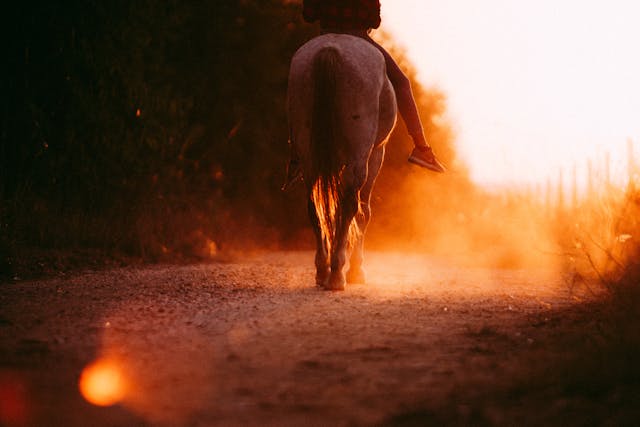
As the evenings draw in and daylight becomes a precious commodity, many riders find their motivation wavering. The prospect of heading to the yard after work when it's already pitch black can feel overwhelming. But winter needn't mean putting your riding goals on hold. With the right mindset and practical strategies, you can stay motivated and keep riding through the darker months.
Why shorter days affect motivation
The shift to darker evenings hits harder than most people expect. You finish work at five, it's already dark, and the thought of driving to the yard and riding in limited visibility can feel like a monumental effort. The cold makes everything take longer, horses can be more unpredictable, and the lack of natural light genuinely affects mood and energy levels. Recognising that this is normal helps. You're not alone in finding it harder, and there are practical ways to adapt your routine.
Early morning rides
If your schedule allows it, switching to early morning rides can transform your winter experience. Mornings in winter often offer better light than evenings, especially around sunrise. Your horse might be fresher and more willing to work, and you'll complete your riding before the day's demands pile up. The sense of achievement from riding before most people have started their commute provides its own motivation boost. Morning riding isn't for everyone, but for those who can make it work, it often becomes the preferred option throughout winter.
Make weekends count
Weekends become incredibly valuable during winter months. When you have full daylight hours available, plan to do your more ambitious work then. Longer hacks, schooling sessions that need better visibility, or trying something new with your horse all work better at weekends. Knowing you have proper riding time at weekends can help you feel less pressured about squeezing in shorter evening sessions after work. Consider rotating between different activities to keep things interesting for both you and your horse.
Indoor arenas and lighting
If you have access to an indoor school or well-lit outdoor arena, you've got a significant advantage during dark months. Indoor schools offer consistency regardless of weather or light conditions, providing a safe environment where you can focus purely on riding. Your riding kit stays drier, and your horse doesn't have to battle the elements. Combat potential monotony by varying your work, setting up different exercises, and treating outdoor rides as special occasions when conditions allow.
Safety in low light
When riding in darker conditions becomes necessary, safety must be your absolute priority. High-visibility gear isn't optional in winter. Reflective or LED equipment for both you and your horse ensures you're visible to vehicles and other users. Choose routes carefully, sticking to familiar ground where the surface is safe and predictable. If you're questioning whether it's safe to ride out, that's usually your answer. Proper arena lighting makes all the difference between a productive session and a dangerous situation.
Setting realistic winter goals
Having clear goals helps maintain motivation when conditions are challenging. Winter goals should be realistic and tailored to the limitations of shorter days. Focus on achievable objectives like maintaining fitness, working on specific flatwork movements, or simply keeping consistent contact with your horse. Setting process goals rather than outcome goals works well. Instead of competition targets, aim for consistency like riding three times per week through winter regardless of conditions.
Keep your horse motivated
It's not just riders who struggle with winter motivation. Horses can become stale, especially if their routine becomes predictable. Think about what keeps your horse interested and engaged. A sharp horse might benefit from more frequent but shorter sessions, while a laid-back type might need extra variety. Pay attention to your horse's overall wellbeing during winter. Horse supplements can support joint health, immune function, and general health and wellbeing through winter's demands.
Structure your schedule
Structure helps enormously when motivation is low. Rather than deciding each day whether you'll ride, create a schedule and stick to it. Knowing you always ride Monday, Wednesday, and Saturday removes the daily negotiation about whether today is a riding day. Be realistic about what's achievable. Quality matters more than quantity, especially when time is limited. Build flexibility for weather, with backup plans for when riding out isn't safe but arena work is possible.
Winter nutrition matters
Both riders and horses need adequate nutrition to maintain energy through darker months. Horses working in cold conditions burn more calories maintaining body temperature. Quality horse feed becomes even more important in winter. Horses in regular work might benefit from conditioning feeds that provide sustained energy, while competition horses maintaining fitness need performance feeds for the fuel they require without excessive fizz.
Ride with company
Everything feels easier when you're not doing it alone. Finding a riding companion for winter months can make the difference between maintaining your routine and giving up entirely. Group activities like lessons or informal schooling sessions with friends make winter riding more enjoyable. The social element provides its own motivation. Safety is another benefit, having someone else present means help is available if anything goes wrong.
Adapt to the weather
Some days, the weather just won't cooperate. Accepting this reduces stress enormously. Have a mental list of alternative activities so you're still being productive even when riding isn't possible. Grooming, groundwork, or stable organisation all maintain your connection without requiring perfect conditions. Learn to recognise truly unsafe conditions versus merely uncomfortable ones. Ice, lightning, or very strong winds warrant cancelling rides completely.
Practical winter tips
Small practical adjustments make dark evenings more manageable. Keep a powerful torch in your car and another in the tack room. Ensure adequate yard lighting, or invest in head torches that leave your hands free. Keep warm, waterproof clothing at the yard so you're always prepared. Organise your tack and equipment so everything's easy to find even in poor light. Yard accessories like good lighting and proper storage contribute to making winter yard time safer and more pleasant.
Summary
Staying motivated through darker evenings requires practical planning, adjusted expectations, and commitment to maintaining your routine. Embrace early morning rides if possible, make the most of weekend daylight, ensure you have safe facilities for low-light riding, and set realistic winter goals. Proper horse supplements and quality nutrition support your horse's wellbeing, while good lighting, high-visibility gear, and sensible route choices keep you both safe.
The riders who maintain their connection through winter often find they've strengthened their horsemanship and partnership. Spring arrives with fitness already established, skills developed, and confidence built through persevering when conditions were challenging.
Browse our complete range of horse supplements, horse feed, and rider equipment to support your winter riding routine.
Posted on: 23/01/2026